Table of Content
- Understanding Gen Z Identity
- How Gen Z Perceives Brands Differently
- Strategic Foundations for Branding to Gen Z
- Gen Z Marketing Strategy: How to Market to Them?
- Gen Z Brands That Are Doing Good
- Future of Branding for Gen Z (and Beyond)
- FAQs
- Conclusion
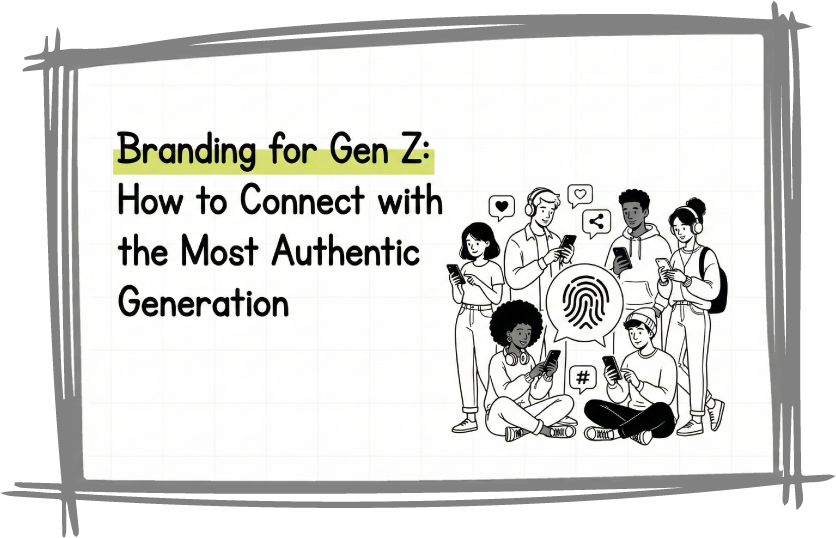
Has your brand cracked the code for Gen Z branding till now? Gen Zs are one of the most unpredictable yet the most authentic generations ever to exist. Therefore, it is essential to note that there is no single "golden rule" or "secret" to master that will instantly help you connect with this generation.
However, with the right approach and effective marketing strategy, you can create meaningful connections with your target audience, specifically Gen Zs. This ever-evolving digital world presents incredible opportunities to shape their narratives and influence Gen Z consumer behaviour.
This blog will decode the Gen Z vibe to help you connect with the most authentic generation ever.
Understanding Gen Z Identity
Before delving into other vital aspects of branding for Gen Z, it is essential to understand this generation's real identity. It will enable your brand to market to this generation effectively.
If you think your brand has truly figured out Gen Z, then you might need to think again. They are the generation born between 1997 and 2012. Unlike previous generations, they have grown up with technology and social media. This has made them socially conscious and influential consumers with distinct preferences, needs, and behaviours.
They aren't just scrolling; they are dissecting everything from the surrogate marketing meaning behind campaigns to supply chains, criticising and holding brands accountable for their actions.. Hence, it is very crucial to understand their perspective and address this segment with transparency, authenticity, and value.
How Gen Z Perceives Brands Differently
Gen Z has a unique take on everything, including businesses' products/services and the overall brand. They tend to look beyond just logos, catchy taglines, or the distinct types of brand names instead, they focus on real stories and value.
The human element behind the brand is what attracts the most Gen Z brand loyalty, along with socially responsible behaviour. Moreover, their perception is heavily influenced by social media, allowing brands to build a positive digital presence and engage with them actively.
Strategic Foundations for Branding to Gen Z
The old school marketing playbook might not work with Gen Z anymore. Hence, your core branding strategy shouldn't lie in creating fake, polished or too staged assets that fail the brand's vibe check. Instead, focus on being incredibly real and valuable, as this generation values transparency and authenticity above all else.
Honestly, they can spot a fake brand easily from miles away. Thus, every brand needs to make sure that Gen Z is part of the conversations, rather than just being advertised to. This enables companies to foster connections and build a loyal community while maintaining authentic brand consistency
Gen Z Marketing Strategy: How to Market to Them?
 Knowing how to market to Gen Z shouldn't feel overwhelming. With the right marketing strategy, you can truly foster an authentic connection with them.
Platform-native presence (TikTok, YouTube Shorts, Instagram)
The primary and most important strategy for marketing your brand is to be present on all the social media platforms where your target audience hangs out. Whether it's TikTok, YouTube, or Instagram, you need to create a platform-native presence for your brand with content that doesn't feel old-school or boring.
A one-size-fits-all approach doesn't work for Gen Z; your content needs to be fresh, tailored, and relevant to Gen Z social media trends that grab their attention instantly. The moment it looks like an ad or forced content, they will scroll past.
Content that connects
Gen Z hates being sold directly. They want to be informed and entertained. This means you need to put more effort into your content, making it genuinely useful and emotionally resonant.
Think beyond sales pitches and focus on behind-the-scenes moments, quick hacks, or relatable storytelling. By creating content that feels authentic, sparks conversations, and adds value to their lives, you can build meaningful connections with Gen Z.
UGC and co-creation
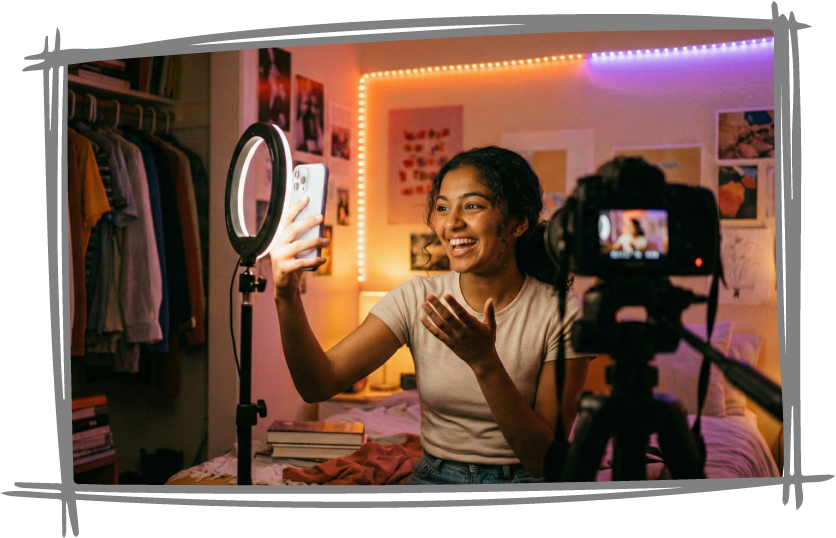
Building trust is the first step in understanding how to target Gen Z on social media. In today's digital world, User Generated Content (UGC) offers significant opportunities for brands, as it highlights genuine experiences from your real customers.
Companies can also offer customers co-creation opportunities, allowing them to provide feedback on new product designs, suggest modifications, and submit new ideas. This makes them feel actually valued and remain invested in your brand.
Real employee or customer stories
Nowadays, with paid reviews and marketing, nothing seems genuine to the audience. Therefore, by bringing real stories from your customers, you are displaying authenticity to Gen Z.
Furthermore, you can showcase the behind-the-scenes process and introduce your team and company culture.
Interactive and meme-driven campaigns
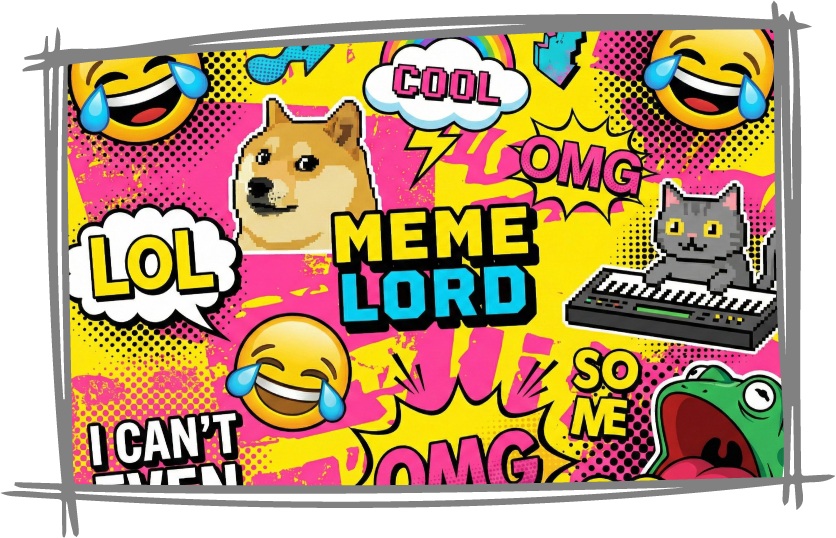
If your brand's content is entertaining, it will stop the scroll immediately. Today, meme-driven campaigns often generate higher reach for a brand than almost any other strategy. Gen Z doesn't want to be lectured; they want to be entertained.
However, you need to ensure the humour doesn't feel forced and lands naturally.
Influencer and micro-creator collaborations
The rise of influencer and micro-creator collaborations has reinvented how brands promote themselves and reach their target audiences. Every influencer and creator has a specific audience segment, many of whom belong to Gen Z.
Partnering with creators feels more organic—like an authentic recommendation—which helps build trust and credibility with Gen Z audiences.
Community building (Discord, niche online spaces)
Gen Z wants to be part of something actually valuable and useful to them. Building a community apart from primary social media platforms is necessary for every brand. Niche platforms like Reddit, Discord, and others give brands this opportunity.
These are the spaces where Gen Z hang out and share their views openly about the brands.
Interactive experiences (polls, filters, AR)
Being interactive and engaging with Gen Z actively is the key to achieving brand relevancy. They expect brands to regularly offer engaging experiences.
You can create interactive experiences through filters, polls, or AR features.
Gen Z Brands That Are Doing Good
Here are a few brands that have been successful in connecting with Gen Z audiences:
This apparel and accessories brand has become one of Gen Z's favourites. They created everything inspired by TV shows, movies, anime, cricket and particular internet references.
Their strategy featured humour, relatable designs, and a platform-native social media presence that leveraged user-generated content, creating a distinct Gen Z community.
Swiggy Instamart
Swiggy has mastered the art of "moment marketing" and self-aware humor, which is catnip for Gen Z. A perfect example is their recent Dhanteras campaign featuring Sonakshi Sinha.
Instead of a traditional, boring festive ad, they leaned directly into internet discourse. They humorously addressed the "nepotism" debate and the "golden spoon" trope, even remixing her iconic Bollywood dialogues. By being bold enough to joke about themselves and celebrity culture, they created content that Gen Z respects for its "meta" humor and authenticity.
Future of Branding for Gen Z (and Beyond)
As we evolve, branding strategies will continue to grow to meet the dynamic needs and preferences of Gen Z. Brands will have to make substantial shifts to engage their audiences.
By embracing higher levels of interactivity and personalisation, along with socially responsible and circular economy practices, brands can authentically foster a deep connection with Gen Z.
FAQs
What makes Gen Z different from Millennials in branding?
Gen Z prioritises authenticity and socially responsible values, whereas Millennials focus on shared value and unique brand experiences.
How do brands build trust with Gen Z?
"Keeping it real" by adapting transparency and authenticity is the best way to build trust with Gen Z.
What are some successful Gen Z branding examples?
The Souled Store and Swiggy Instamart are among the most successful examples of effectively utilising a Gen Z marketing strategy.
How important is social media for Gen Z branding?
Having a visible social media presence is non-negotiable, as Gen Z discovers, engages with, validates, and is influenced by it.
How can small businesses or startups attract Gen Z customers?
Primarily, startups should focus on delivering genuine value with authenticity and on using user-generated content.
What role does authenticity play in Gen Z marketing?
Authenticity is the foundation of Gen Z marketing, serving as the ultimate currency to build trust and engagement.
How to target Gen Z on social media?
You can target them with short-form content, meme marketing, interactive polls, and influencer collaborations.
Conclusion
The best branding strategy for Gen Z lies in being real and brutally honest. When you move forward with purpose, authenticity and transparency, you build a genuine human connection that lasts way longer than any immediate sale.
If you are ready to build that connection but need expert guidance, we are here to assist. Offering top-tier Creative Branding Services in Ahmedabad Brand Board Media helps you craft a visual identity that truly resonates. Contact us today to elevate your brand strategy.